




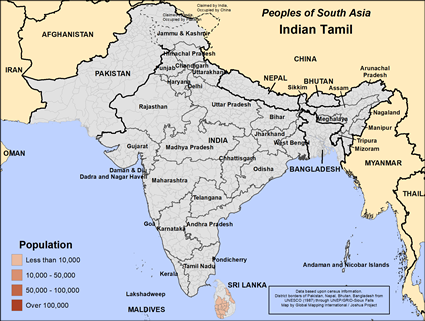
The Indian Tamils of Sri Lanka are a Tamil-speaking community whose ancestors were brought from South India during the 19th and early 20th centuries. British plantation owners transported them primarily to the central highlands to work on tea, coffee, and rubber estates. Over time they formed a distinct community, culturally connected to South Indian Tamil heritage but shaped by the unique social, economic, and political context of Sri Lanka. Though many have lived in Sri Lanka for generations, their journey has included struggles related to citizenship, land ownership, and economic opportunity. Despite these challenges, they have preserved strong cultural traditions and a deep sense of community identity.
Many Indian Tamils continue to work on tea estates, often in labor-intensive roles such as tea plucking, processing, and estate maintenance. Some have transitioned into urban labor, small business, transport services, and education, especially as younger generations seek broader opportunities. Estate communities typically live in line houses—long buildings divided into small units—which foster close-knit communal life but often offer limited space and resources.
Family life is highly relational, with strong bonds across generations. Extended family networks provide support in childcare, finances, and decision-making. Traditional celebrations such as Pongal, Deepavali, and Tamil New Year are important cultural markers, bringing families together for feasting, rituals, and community gatherings. Food often features rice, lentils, curries, coconut-based dishes, and tea—an everyday symbol of both livelihood and hospitality.
Most Indian Tamils in Sri Lanka follow forms of Hinduism rooted in South Indian tradition. Worship centers around temples, village deities, and household shrines. Festivals, processions, vows, and offerings play a central role in spiritual life. Some practice folk beliefs alongside formal Hindu worship, seeking protection, blessing, or healing from local spirits or deities.
A smaller portion identify with Christianity, primarily through historic mission efforts in the estates, though Christian influence varies widely from village to village. Religious identity is closely tied to family heritage and community expectations, making change difficult without strong relational support.
Many estate communities continue to face limited access to quality education, stable employment, and adequate housing. Improved economic opportunities would help families break cycles of poverty that have persisted for generations. Better healthcare access and nutrition would significantly affect the well-being of children and mothers. Stronger community development efforts would also encourage dignity, empowerment, and long-term self-sufficiency.
Spiritually, many have yet to encounter the hope and transformation available through Jesus Christ, and those who follow Christ often need encouragement, discipleship, and support as they grow in faith within environments where Christian practice may be a minority presence.
Pray for the Holy Spirit to awaken hearts among the Indian Tamil communities so that many will experience the love and salvation offered through Jesus Christ.
Pray asking God to strengthen the small Christian fellowships already present, equipping them to be courageous witnesses and compassionate servants in their neighborhoods.
Pray for better education, healthcare, and economic stability across the estates, and for dignity and justice for workers who face hardship or exploitation.
Pray for the children and youth, asking the Lord to give them hope, opportunity, and a future shaped by his purposes.
Pray that those who already know Christ will grow into a mission-minded force who bless their own people with the gospel.
Pray asking if God will use you to reach the Indian Tamil with the gospel of Jesus Christ.
Scripture Prayers for the Indian Tamil in Sri Lanka.
Salam, S., & Maynmai, J. (2024). 200 Years of Malaiyaha Tamil Labour in Sri Lanka. Ilankai Tamil Sangam. — This provides a detailed historical account of the migration, statelessness, and marginalization of the up-country (Malaiyaha) Tamil community.
| Profile Source: Joshua Project |


